Is This School for Medical Assistant Training Right for You in Philadelphia?
Deciding which school for medical assistant training is the right fit is one of the most practical decisions you can make before starting a healthcare career. Not all programs are built the same way — and the difference between a strong program and a weak one shows up quickly once you’re on the job.
If you’re in Philadelphia and weighing your options, here’s what to look for, what to ask, and how to cut through the noise before committing.
What a school for medical assistant training should actually deliver
A medical assistant’s job spans clinical and administrative tasks across physician offices, urgent care clinics, specialty practices, and hospital outpatient departments. A solid training program prepares you for both sides — not just one.
Clinical preparation
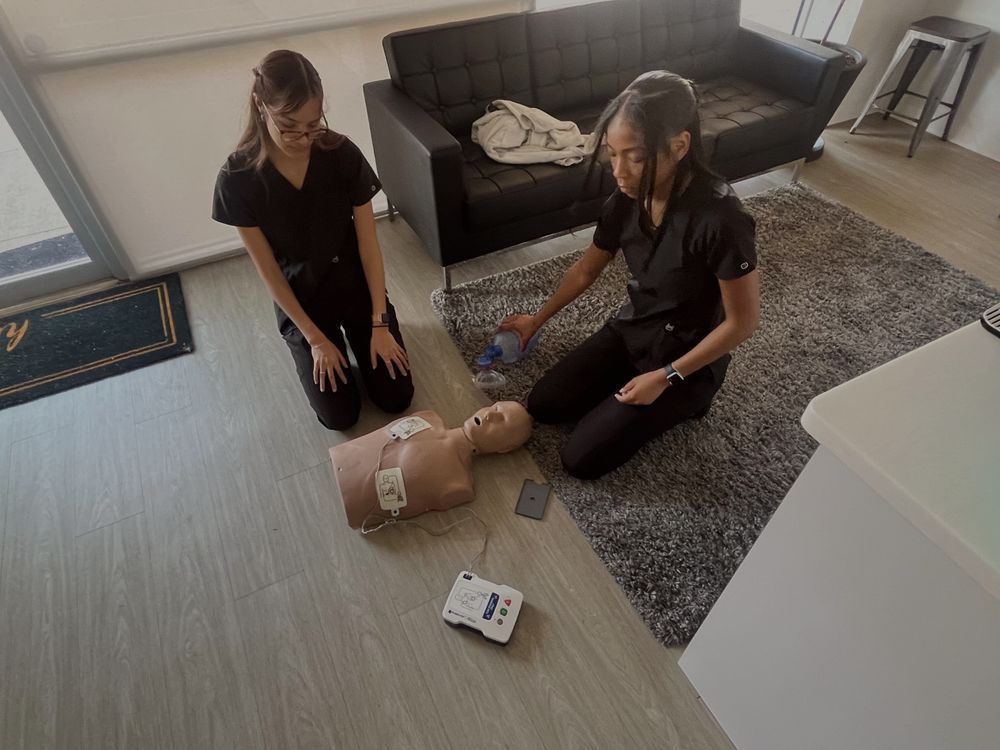
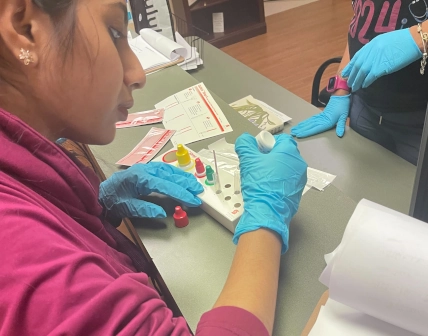
The clinical component is where most of the hands-on skills are built. Quality medical assistant school training covers:
- Vital signs — blood pressure, pulse rate, temperature, respiratory rate, oxygen saturation
- Patient intake — gathering chief complaints, updating medical histories, documenting medications
- Phlebotomy — drawing blood for laboratory testing using proper venipuncture technique
- Injections and medication administration — subcutaneous, intramuscular, and intradermal injections under provider supervision
- EKG/electrocardiography — placing leads and operating cardiac monitors
- Point-of-care lab testing — urinalysis, glucose testing, rapid strep and flu screening
- Exam preparation — setting up rooms, sterilizing instruments, assisting during physical exams and minor procedures
- Wound care — dressing changes, suture removal, sterile technique
Administrative preparation
Medical assistants regularly handle front- and back-office tasks:
- Scheduling patient appointments and managing provider calendars
- Electronic health records (EHR) documentation — including systems like Epic, eClinicalWorks, and Athena
- Medical billing and coding fundamentals
- Insurance verification and prior authorization
- HIPAA compliance and patient confidentiality protocols
- Patient communication — phone triage, appointment reminders, test result delivery
Types of schools for medical assistant training
When searching for a school for medical assistant training in Philadelphia, you’ll typically encounter:
Private career or vocational schools
Focused programs — typically 14–20 weeks — designed specifically for medical assisting. No general education requirements. Everything is career-relevant. These programs get students into the workforce fastest and tend to offer the most concentrated clinical hours.
Community colleges
Medical assisting programs at community colleges typically run 1–2 years and include general education coursework alongside clinical training. They may award an associate’s degree or certificate.
Online-only programs
Fully online programs exist, but they cannot adequately prepare you for the clinical side of medical assisting. Blood draws, injections, and EKGs require hands-on practice under supervision. Be cautious of any program that claims to complete clinical training entirely online.
What separates strong programs from weak ones
Here’s what actually matters when evaluating a school for medical assistant training:
1. Hands-on clinical hours are built in, not optional
The single most important factor. Ask the school: how many hours of hands-on clinical training are included? Are students practicing on real equipment? Is clinical time scheduled consistently throughout the program, or crammed into the last few weeks?
2. Externship placement in a real medical setting
A supervised externship in an actual clinic or physician’s office is where classroom skills get tested in the real world. Programs that place students in established local medical practices give them a genuine advantage when job searching.
3. CCMA certification preparation
The Certified Clinical Medical Assistant (CCMA) credential, awarded by the National Healthcareer Association (NHA), is one of the most recognized certifications in medical assisting. A quality program prepares you to pass this exam before or shortly after graduation.
4. Transparent, all-inclusive tuition
Get the complete cost in writing before committing — registration fees, materials, supplies, and any additional charges. Reputable programs provide this clearly and upfront.
5. Flexible payment options
Look for programs that offer manageable payment plans so you’re not forced into large federal loans or lump-sum payments that create financial strain while you’re in school.
6. Instructors with real clinical backgrounds
Medical assisting is a practical skill. Instructors who have worked as medical assistants, phlebotomists, or clinical staff in physician offices teach the job more effectively than those without that experience.
Questions to ask before enrolling
- What is the program’s CCMA exam pass rate?
- Where are externships placed — and how close to Philadelphia?
- What percentage of graduates are employed in medical assisting within 6 months?
- Is tuition all-inclusive, or are there fees beyond the listed price?
- What is the student-to-instructor ratio during clinical skills training?
Programs with strong outcomes answer these confidently. Vague or evasive answers are a sign to keep looking.
What the job market looks like
The Bureau of Labor Statistics projects 14% growth in medical assistant employment through 2032 — nearly double the average for all occupations. The national median salary is approximately $42,000 per year. Entry-level positions typically start in the $33,000–$38,000 range, with experienced medical assistants in specialty practices earning considerably more.
The demand is driven by an aging U.S. population, expansion of outpatient care, and a growing emphasis on preventive medicine — all of which require more front-line clinical support staff.
Get started at Philadelphia Medical Assistant School
Philadelphia Medical Assistant School is located in Philadelphia and offers an 18-week medical assistant program with hands-on clinical training, externship placement, and CCMA certification prep included.
- See the full curriculum: Program details
- Review tuition and payment options: Tuition
- Talk to our team: Contact us
- Apply now: How to apply
You're only a few months from the medical assistant career you deserve.