Choosing a Medical Assistant School in Philadelphia: What to Look For
If you’re looking for a medical assistant school in Philadelphia, you already know the basics: medical assisting is a growing field, the training is shorter than most healthcare programs, and the work is genuinely meaningful. What you may not know is how much the quality of schools varies — and how to tell the difference before you commit.
This guide breaks down what to look for in a medical assistant school, what the training should include, and the questions worth asking before you enroll.
What makes a medical assistant school worth attending
The best medical assistant schools share a few things in common. None of them are subtle.
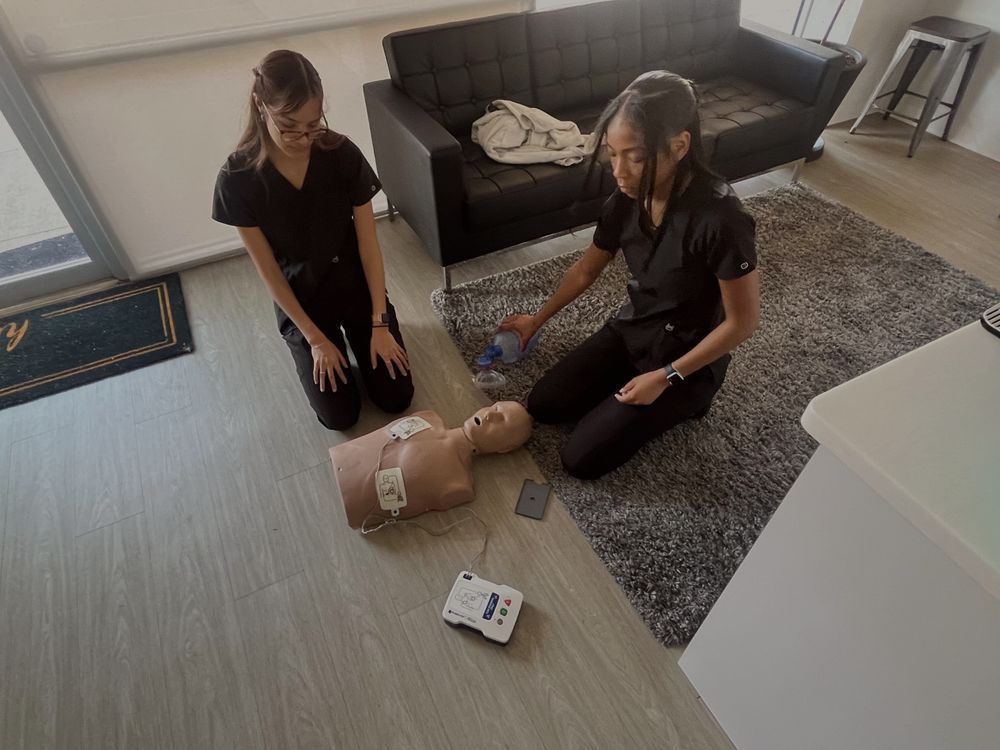
Strong clinical training with real equipment
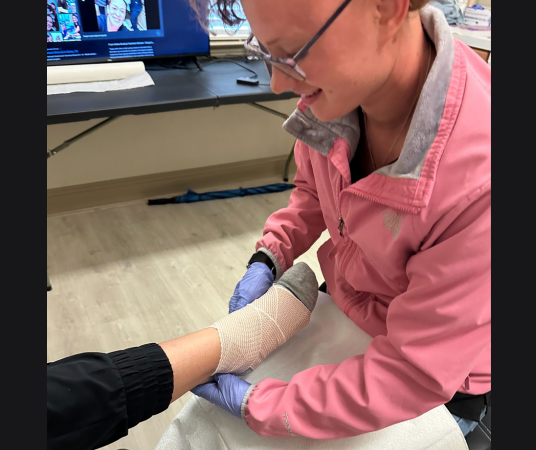
Medical assisting is a hands-on profession. You’ll be drawing blood, running EKGs, administering injections, and taking vital signs from day one on the job. A school that teaches these skills primarily through videos, textbooks, or online modules is not preparing you for actual work.
Ask specifically: how many hours of hands-on clinical practice does the program include? What equipment do students train on? Is clinical practice supervised by instructors with real clinical experience?
Externship placement in local medical offices
An externship — supervised practice in a working medical environment — is where everything learned in class gets tested in reality. The best schools place students in physician offices, urgent care clinics, and specialty practices near Philadelphia, where you’ll work alongside real providers and real patients.
This matters beyond skill-building. Externship sites frequently hire students they’ve worked with, or refer strong graduates to their professional networks. It’s your first connection to the local healthcare job market.
CCMA exam preparation built into the curriculum
The Certified Clinical Medical Assistant (CCMA) credential from the National Healthcareer Association (NHA) is among the most recognized certifications in medical assisting. It signals to employers that you’ve met a verified standard of clinical competency.
A quality medical assistant school doesn’t add certification prep as an afterthought. It’s integrated throughout the program — so by the time you reach graduation, you’re ready to sit for the exam.
Clear, all-inclusive tuition
Before you enroll anywhere, get the complete cost in writing. That means total tuition, registration fees, materials, supply kits, and any additional charges. Schools that quote a low headline price and then add fees aren’t being transparent — and that’s a meaningful signal about how they’ll treat you as a student.
Flexible payment plans
Most students aren’t in a position to pay tuition in one lump sum. A school that respects this offers manageable payment plans that let you pay over the course of the program rather than requiring everything upfront or pushing you toward large federal loans.
Red flags to watch for
- No in-person clinical component — medical assisting cannot be taught exclusively online
- Vague or unavailable outcome data — reputable schools share graduation and employment rates
- High-pressure enrollment tactics — a legitimate program gives you time to make a considered decision
- Instructors without clinical backgrounds — those who’ve never worked in a medical office can’t teach from experience
- Hidden fees — any school that can’t give you a clear total cost before enrollment
What the curriculum should cover
A quality medical assistant school program teaches both clinical and administrative skills:
Clinical:
- Vital signs (blood pressure, pulse, temperature, respiratory rate, oxygen saturation)
- Phlebotomy and blood specimen handling
- Injections: subcutaneous, intramuscular, intradermal
- EKG/electrocardiography
- Point-of-care lab testing (urinalysis, glucose, rapid strep/flu)
- Exam room setup, instrument sterilization, and provider assistance
- Wound care and basic procedures
Administrative:
- Electronic health records (EHR) documentation
- Appointment scheduling and patient flow management
- Insurance verification and prior authorization
- Medical billing and coding fundamentals
- HIPAA compliance and patient privacy
How long is a medical assistant school program?
A focused, career-oriented medical assistant school program typically runs 18 weeks — roughly four to five months. This is enough time to develop genuine clinical competency without the delays of a multi-year academic program.
Compared to a 2-year community college program, an 18-week program puts you in the workforce 18 months earlier. That’s 18 months of salary and professional experience that compound over the course of your career.
What the job market looks like
The Bureau of Labor Statistics projects 14% growth in medical assistant jobs through 2032 — nearly double the national average. The national median salary is approximately $42,000 per year, with entry-level positions starting in the $33,000–$38,000 range and experienced assistants in specialty practices earning $48,000 or more.
Demand is driven by an aging population, growth in outpatient care, and increased reliance on medical assistants to handle routine clinical tasks — allowing providers to see more patients.
Get started at Philadelphia Medical Assistant School
Philadelphia Medical Assistant School offers an 18-week medical assistant program in Philadelphia with hands-on clinical training, externship placement, and CCMA certification preparation.
- See the full curriculum: Program details
- Review tuition and costs: Tuition
- Ask us anything: Contact us
- Apply today: How to apply
You're only a few months from the medical assistant career you deserve.