Medical Assistant Program in Philadelphia, PA: What to Look for and How Programs Compare
The quality of your medical assistant program directly determines how prepared you are for the job, the certification exam, and your first day in a clinical setting. Not all programs produce the same results — and the differences matter more than most comparison websites acknowledge.
Here’s how to evaluate a medical assistant program in Philadelphia and what the program at Philadelphia Medical Assistant School specifically includes.
What a Quality Medical Assistant Program Covers
O*NET identifies five core competency areas for medical assistants. A complete program addresses all of them:
1. Clinical Procedures
The largest skill area and the one employers care most about:
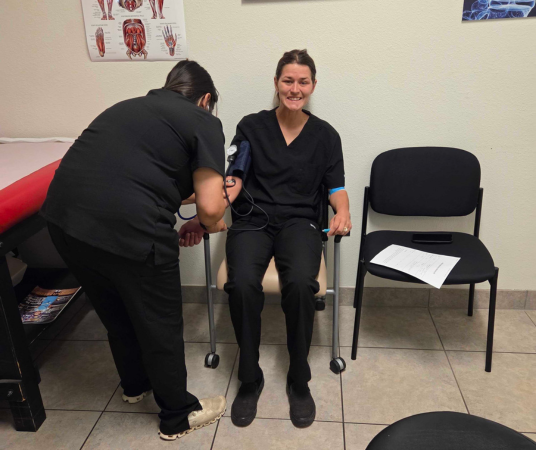
- Vital signs: Blood pressure, pulse, temperature, respiratory rate, oxygen saturation, height, weight, BMI
- Phlebotomy: Venipuncture technique, capillary puncture, order of draw, specimen labeling and processing, patient management
- Injections: IM, SubQ, and intradermal technique — vaccines, allergy shots, insulin, B12, TB tests
- EKG: 12-lead electrode placement, operation, artifact recognition, result transmission
- Point-of-care testing: Urinalysis, blood glucose, rapid strep/flu/COVID, pregnancy tests
- Infection control: Sterilization, PPE, OSHA compliance, hand hygiene, biohazardous waste
- Clinical procedures: Wound care, assisting during exams, specimen collection, patient preparation
2. Administrative Operations
- EHR documentation (Epic, eClinicalWorks, Athena, NextGen)
- Scheduling, patient flow management, referral coordination
- Insurance verification, prior authorizations, basic billing
- HIPAA compliance in all patient interactions
- Supply management and inventory
3. Medical Knowledge
- Medical terminology — the language of every clinical interaction
- Anatomy and physiology — understanding why procedures work and what results mean
- Pharmacology basics — common medication classes, routes, side effects, safety
4. Technology Skills
O*NET lists specific technology competencies:
- Electronic health record systems
- Practice management software
- Point-of-care testing devices
- Vital signs monitoring equipment
5. Professional Conduct
- Patient communication — especially with anxious, confused, or non-English-speaking patients
- Team coordination with providers, nurses, and other staff
- Ethical standards and professional boundaries
- Workplace reliability and time management
Program Structure at Philadelphia Medical Assistant School
Length: 18 weeks Schedule: Evenings and weekends Training location: Inside real medical offices Certification prep: CCMA exam content integrated throughout Externship: Supervised clinical experience in a local practice Credentials: Certificate of completion, BLS certification (AHA), CCMA exam eligibility
Cost Comparison
| Program Type | Cost | Duration |
|---|---|---|
| Focused vocational (like Philadelphia Medical Assistant School) | $2,000–$5,000 | 16–18 weeks |
| Community college certificate | $5,000–$15,000 | 9–12 months |
| Associate degree | $10,000–$25,000+ | 18–24 months |
Philadelphia Medical Assistant School offers payment plans with no student loans.
WIOA funding: Many programs are approved under the Workforce Innovation and Opportunity Act. Visit CareerOneStop.org to check eligibility through your local American Job Center.
What Makes This Program Different
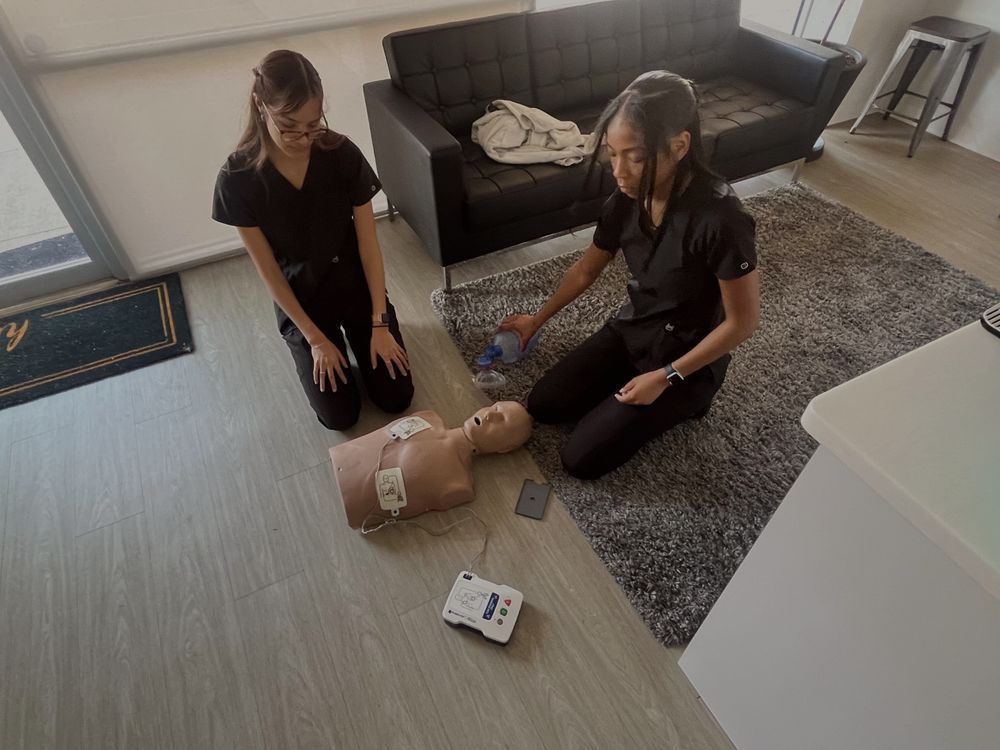
Training in real medical offices — not classroom buildings with posters. You practice phlebotomy, injections, EKGs, and vitals on real equipment in a real clinical environment.
CCMA exam prep is built in — not a final-week add-on. Every module maps to CCMA exam domains so that by graduation, you’ve been preparing for 18 continuous weeks.
Externship included — supervised clinical experience in a local Philadelphia medical office. Real patients, real workflows, real professional connections.
No student debt — payment plans keep you debt-free so you keep every dollar of your first paycheck.
Career Outcomes
- Median salary: $42,000/year (BLS)
- Job growth: 14% through 2032 (Bright Outlook occupation per O*NET)
- CCMA certification premium: $2,000–$6,000/year more than non-certified MAs
- Top-paying settings: Cardiology, orthopedics, dermatology, hospital outpatient
Get Started
- See the full curriculum: Program details
- Review tuition and payment options: Tuition
- Talk to our team: Contact us
- Apply today: How to apply
You're only a few months from the medical assistant career you deserve.